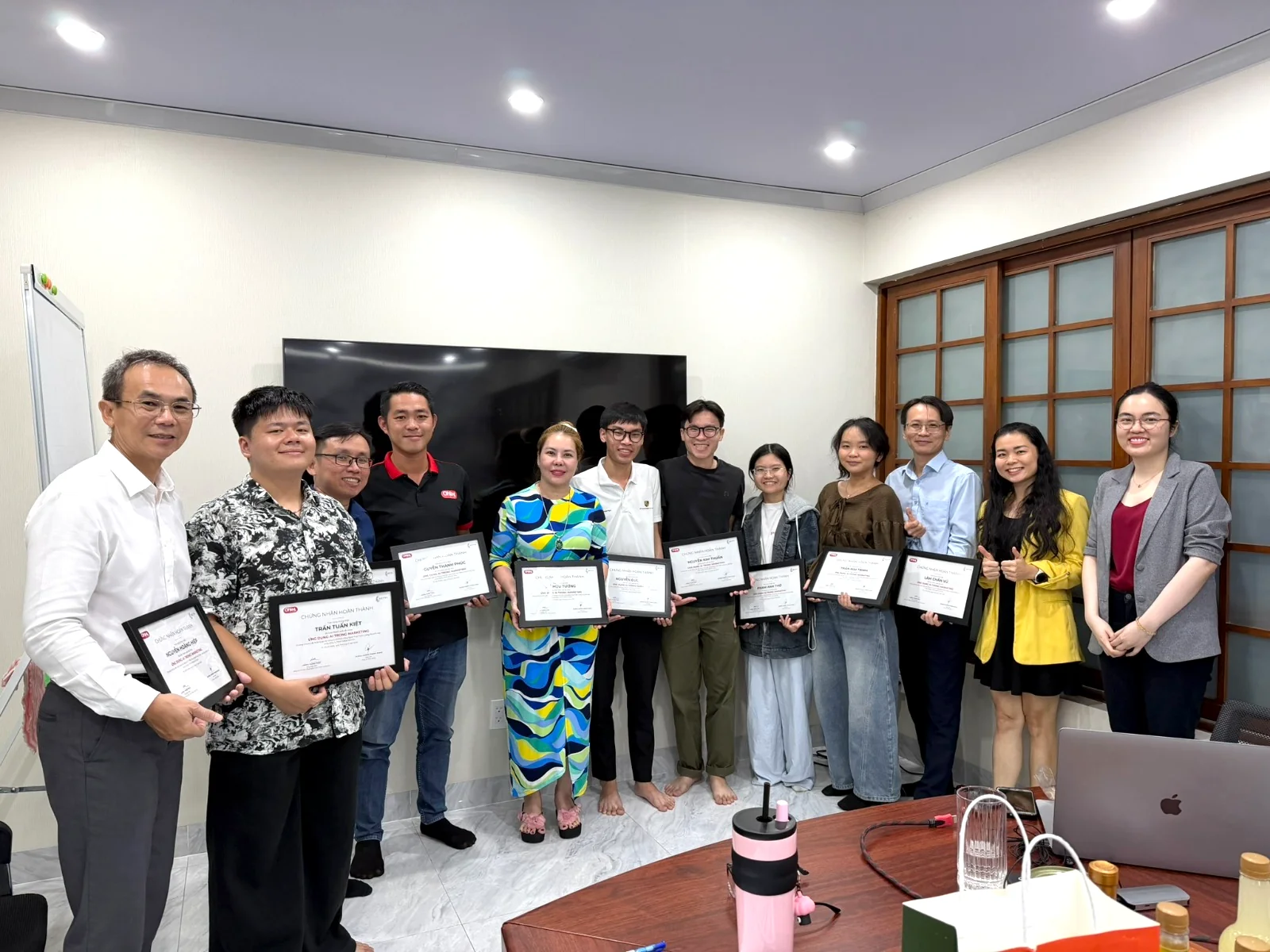
Case study · FMCG · Vietnam · 2026
Lương Gia Food: Accelerating Marketing execution with AI
Helping Marketing teams work faster, more clearly and more consistently with AI, using their own products and everyday work.
Applied AI in Marketing Advisory & Training
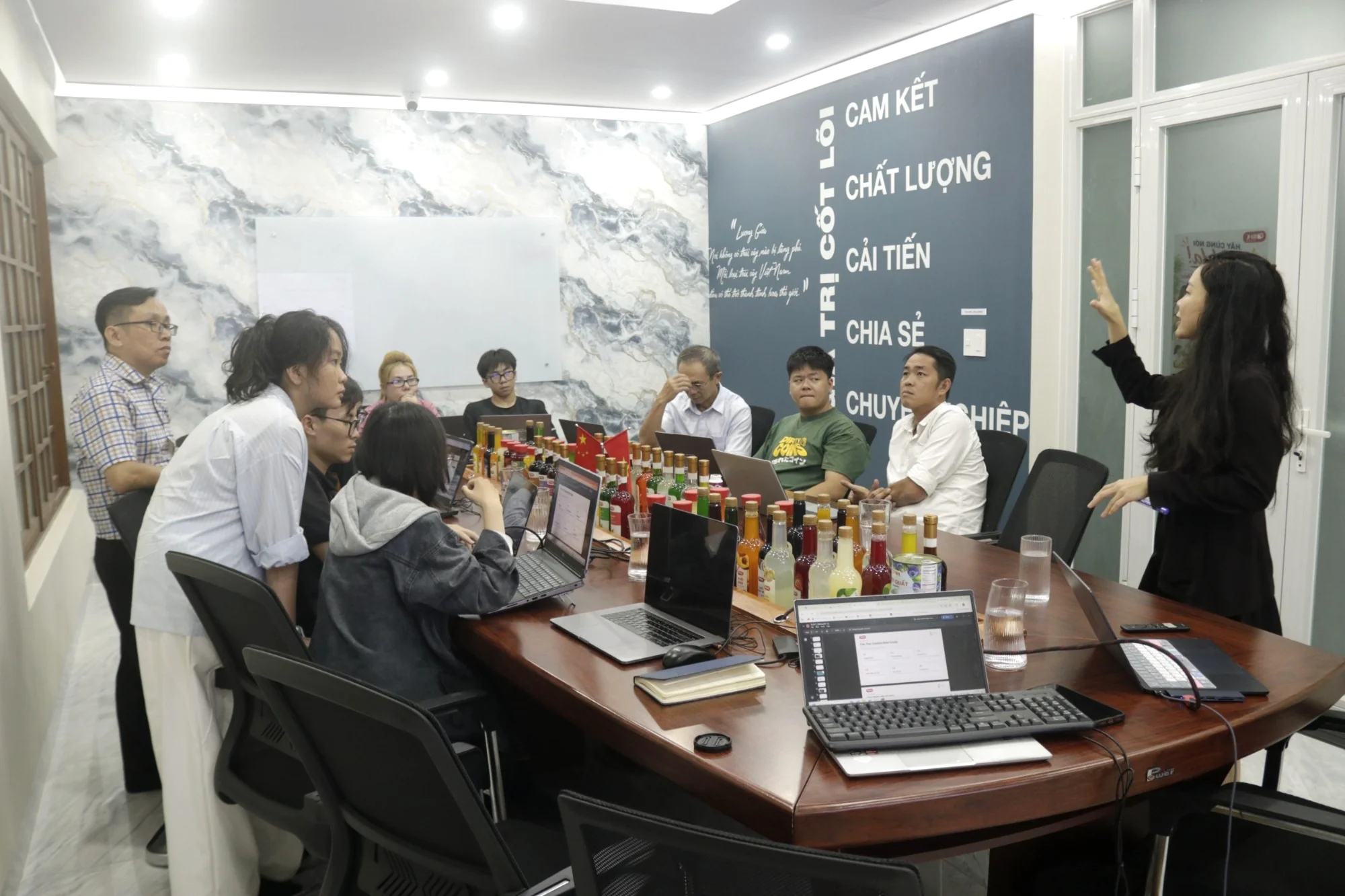
Each group also presented its Marketing plan to the CEO and Commercial Director for direct feedback before the programme concluded.
- Engagement
- Applied AI in Marketing Advisory & Training
- Approach
- Leadership Alignment + Hands-on Team Training
- Duration
- 4 sessions, 3 hours each
- Scope
- 3 business groups
- Location
- Ho Chi Minh City, Vietnam
- Year
- 2026
Lương Gia Food wanted its Marketing teams across three business groups to bring AI into everyday work more quickly — from content planning to image and video production.
Before designing the programme, METYS worked with leadership and the Marketing teams to understand how each group operated, which tasks took the most time, and where AI could make the clearest difference.
The opportunity was not simply about using the tools better. For AI to be useful day to day, teams also needed clear shared context around customers, brand, content and execution — so the programme was designed to strengthen how the teams approached Marketing while applying AI to practical tasks.
The challenge
Effective AI adoption starts with understanding the work that needs to improve.
Lương Gia Food's three business groups serve very different customers and channels.
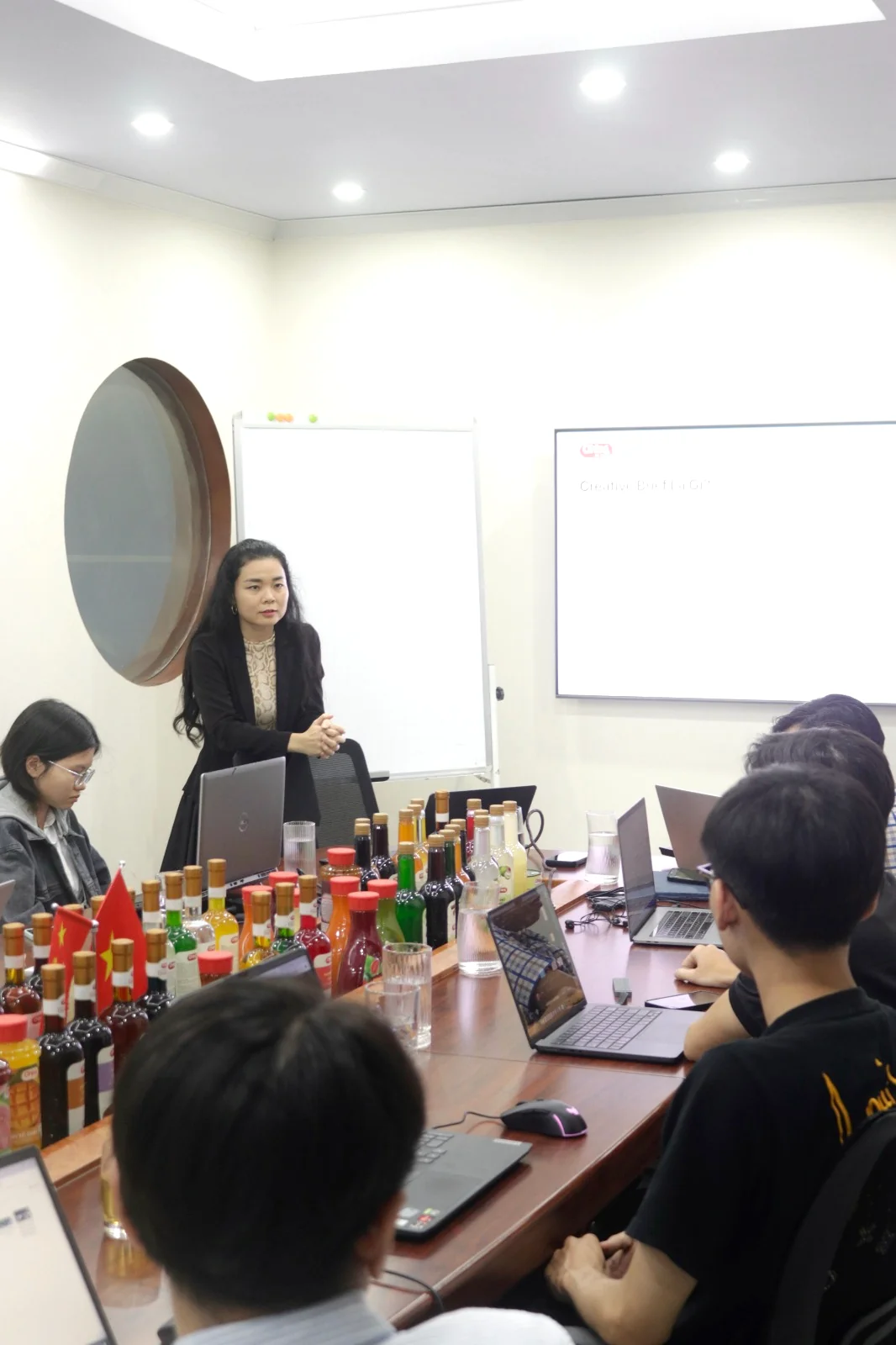
Dried Goods · E-commerce
Dried fruit and chocolate-dipped mango sold directly to consumers through channels such as Shopee and TikTok Shop. A main pressure was content production capacity — one person might handle photography, video and editing.
Beverage · F&B
Syrups, canned fruit and purées sold B2B to café owners, baristas and bakers. The team had already started experimenting with AI, but image quality, brand voice and creative briefs needed clearer standards for more consistent output.
Ohla Khởi Nghiệp
A programme supporting young people building F&B businesses. Its content needs to educate, build community and tell stories, rather than simply promote products.
Three groups meant three different Marketing challenges. A single generic AI training approach would not have been enough.
Areas to clarify
- Priority customer for each group
- Brand direction
- Content direction
- Creative briefs
- Workflow consistency
- Tasks where AI could help
AI becomes more useful when teams work from clear, shared context.
Our approach
Start with the business problem.
METYS did not begin with prompts or tools. We began by understanding what the business wanted to improve.
Understand leadership priorities
METYS worked with the CEO and Commercial Director to understand each group's objectives, the challenges teams faced, and the changes leadership wanted after the programme.
Understand how the teams work
We spoke directly with Marketing team members and ran a pre-programme survey — a clearer picture of how each group defined customers, planned content, built briefs and handled daily work. One useful insight: customer descriptions were not always fully consistent, so clearer customer and brand context becomes even more valuable as AI enters everyday work.
Identify where AI could make a difference
From these observations, METYS identified areas that needed clearer direction, tasks that could be standardised, and work AI could help accelerate.
Design the programme around real work
The programme was built around Lương Gia Food's own products, customers, channels and daily Marketing work. No generic case studies, no identical exercises across the three groups.
Marketing + AI application
From Marketing foundation to AI-enabled execution.
Clarify brand and customer direction
- Priority customer
- Brand Guidelines
- Brand Personality
Build reusable AI context
- Portable AI Context Pack
- Used across ChatGPT, Claude and Google AI Studio
Create clearer content structure
- Content House
- Content pillars, mix and angles
- Content calendar and creative briefs
Work on real deliverables
- Storyboards and AI imagery
- Product videos and avatar scripts
- Content plans and campaign ideas
Turn recurring work into reusable workflows
- AI Agents
- Reusable workflows
- SOPs
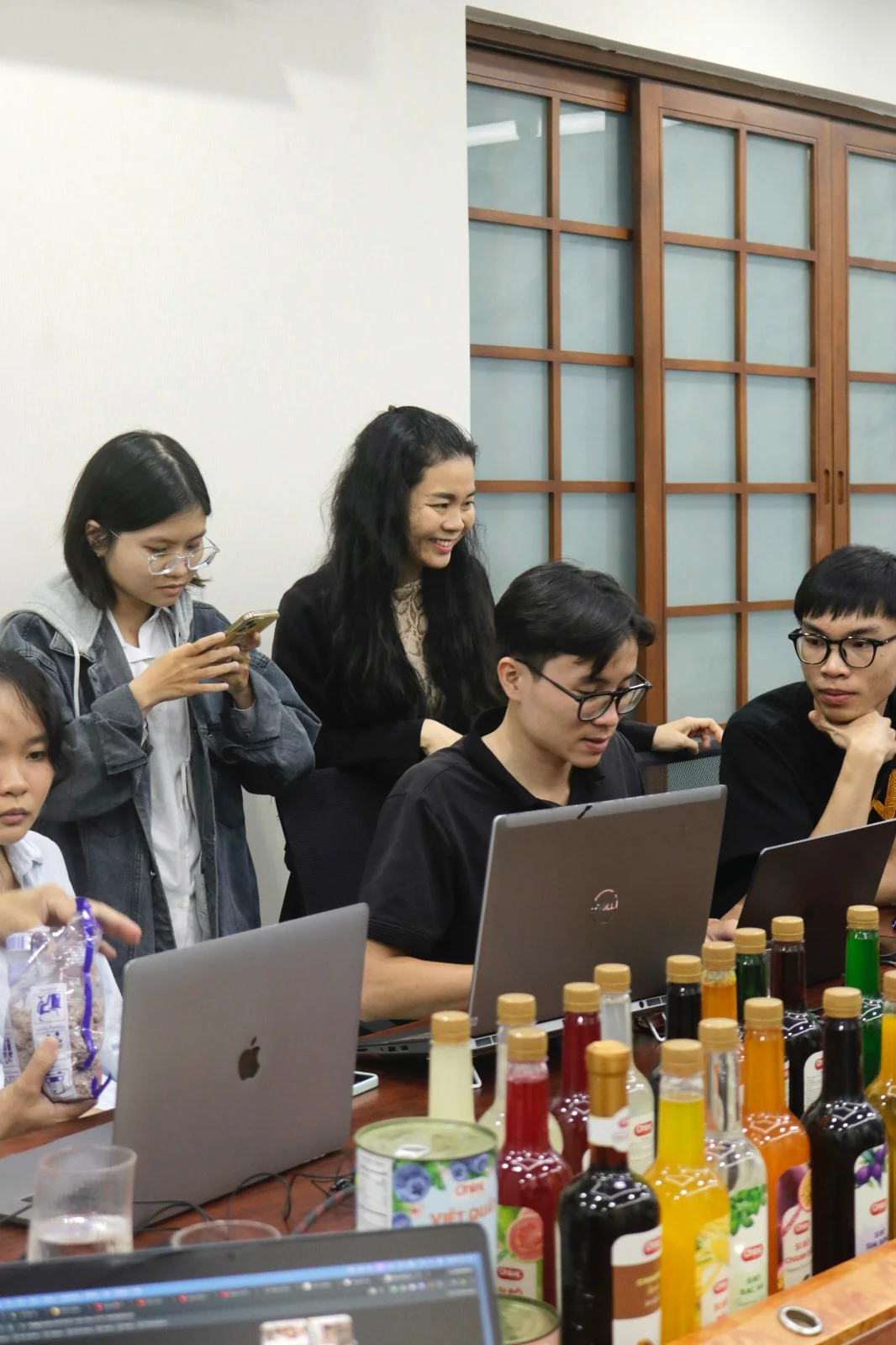
Learn by doing
One framework. Three business groups. Real work.
All teams learned the same core framework but applied it to different realities: one focused on e-commerce and product content, one on B2B customers in F&B, one on educational, community-led storytelling. The result was work that could be used in the business, not classroom exercises.
From workshop to business decision
Leadership stayed involved.
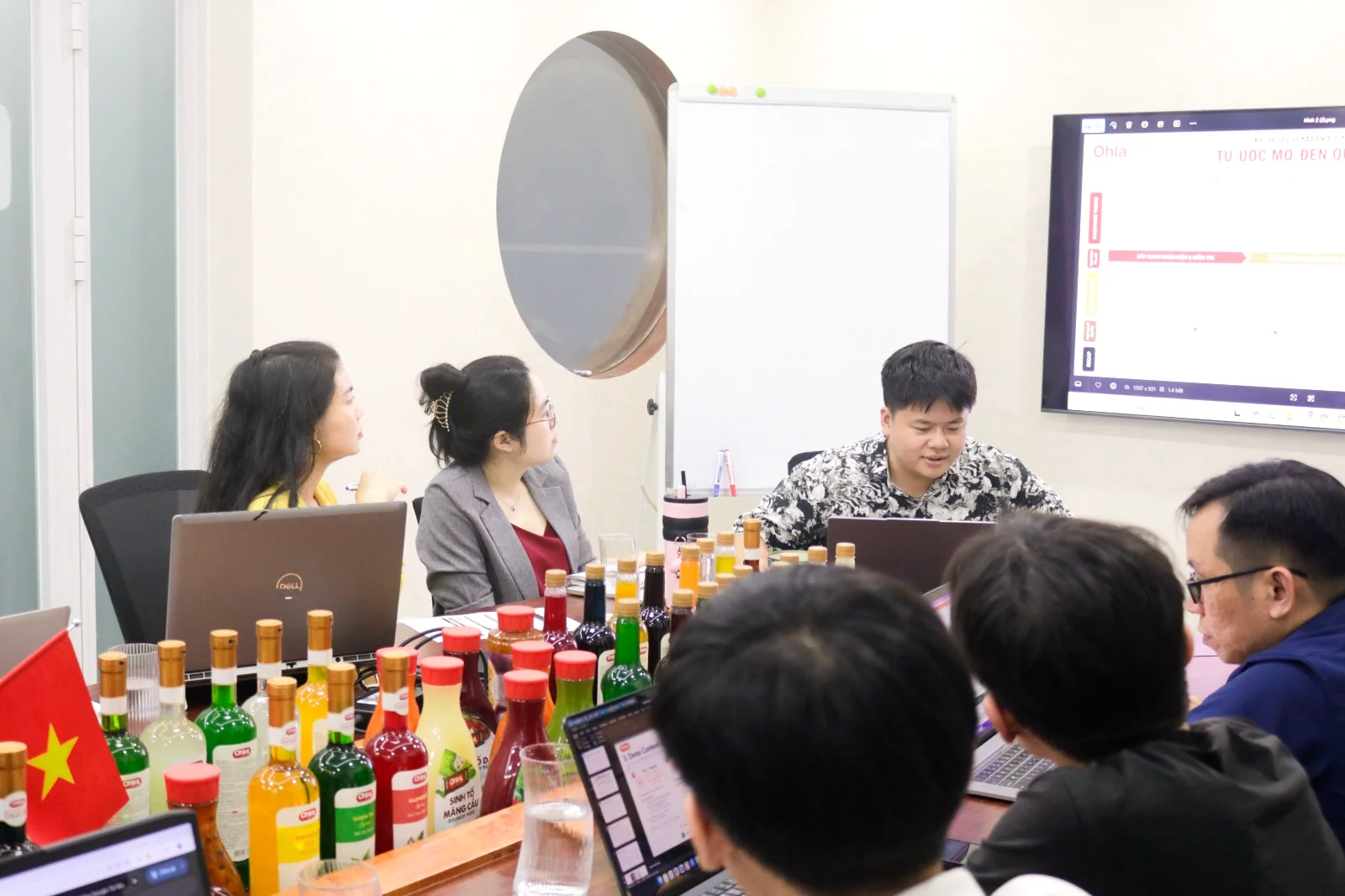
The CEO and Commercial Director were not only involved at the beginning. At the end of the programme, each group presented its next-quarter Marketing plan and received direct feedback — moving the work beyond a training exercise and into a real discussion about customers, content, priorities and execution.
Results
Faster, clearer execution.
More structured Marketing work
After the programme, each group had a clearer basis for deciding what content to create, who it is for, its objective, the content angle, how the brand should come through, and where AI supports the workflow. AI was no longer used only for isolated outputs — it became part of a more structured way of working.
Better quality control
Brand Guidelines and AI Context became practical reference points when reviewing work. During exercises, claims that needed more evidence — for example around health benefits or product standards — could be caught earlier, before content reached customers.
Participation stayed at 100% throughout. Part of the reason was the design: participants worked on their own products, customers, channels and upcoming plans, with leadership directly reviewing outputs — much closer to hands-on, on-the-job training than a conventional AI course.
From prompts to AI Agents
Turn recurring tasks into tools the team can reuse.
Each business group built three types of AI Agent for recurring work.
Visual & Video Creator
Supports product imagery, creative development and video production.
Content Writer
Supports content creation using the agreed brand voice, customer and business context.
Campaign Advisor
Supports campaign thinking, planning and execution.
Each group configured its own versions of these Agents. Across the three business groups, a total of nine reusable AI Agents were created for continued use after the programme.
The class was fun. Redefining the core problem and building the plan in the right direction was fairly heavy because everyone had to brainstorm and think it through, but once that was done, everything ran more smoothly. People worked quickly, effectively and with real enthusiasm.
This is a hands-on class, so the more people practice, the more energized they get.
What this project showed
AI creates more value when it is applied to the right work.
Companies often begin with a practical goal: save time, improve productivity, produce faster. But AI's value does not come from the tool alone. When customer context is clearer, brand direction more specific, content planning more structured and workflows easier to follow, AI can support the team far more effectively.
AI helps a good way of working move faster.
Start with the work itself, then decide where AI can create value.